Behind the Curtain
The Art of Saying Yes — A Costa Rica Story with Joyce DiDonato
February 10, 2026
7 min read
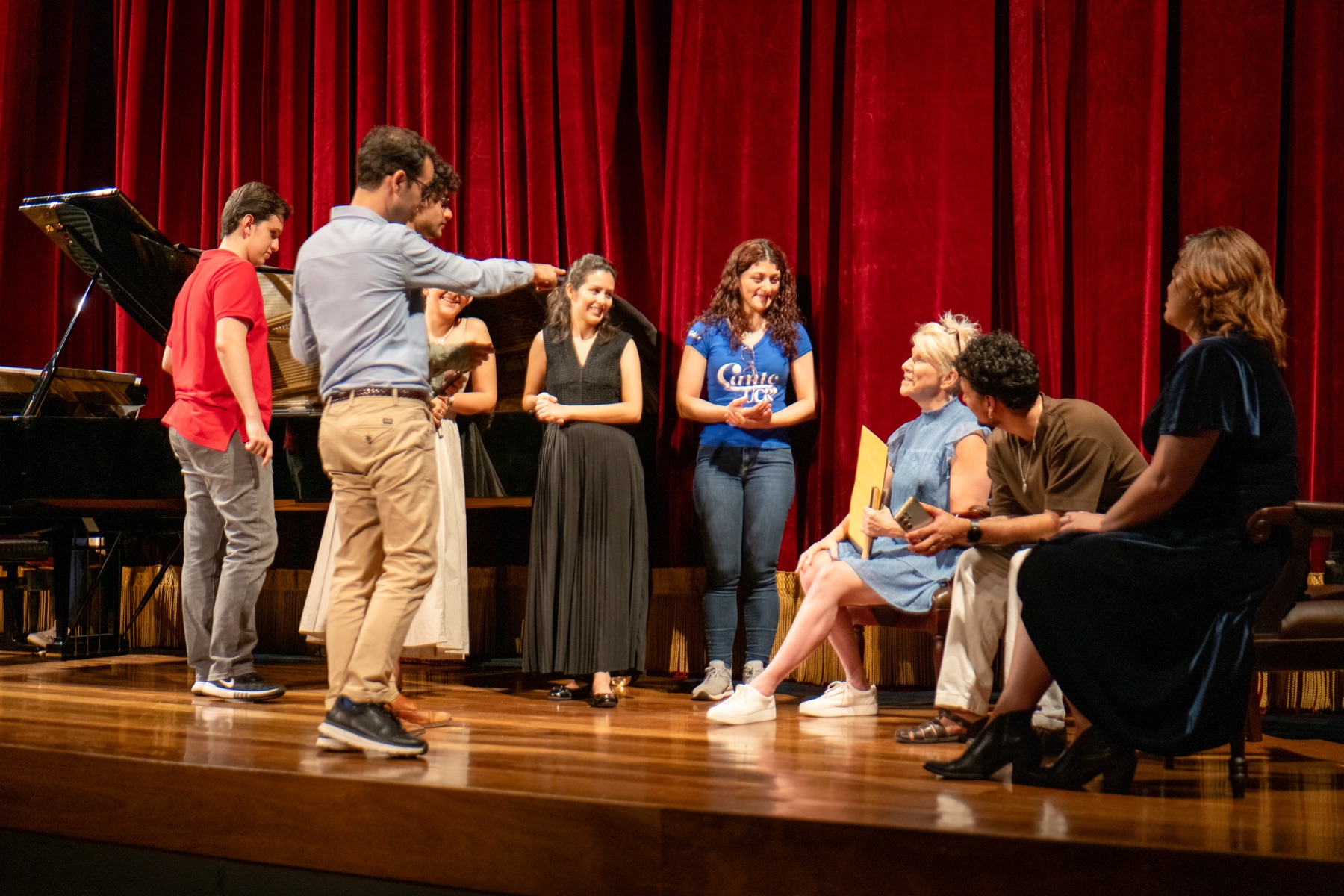
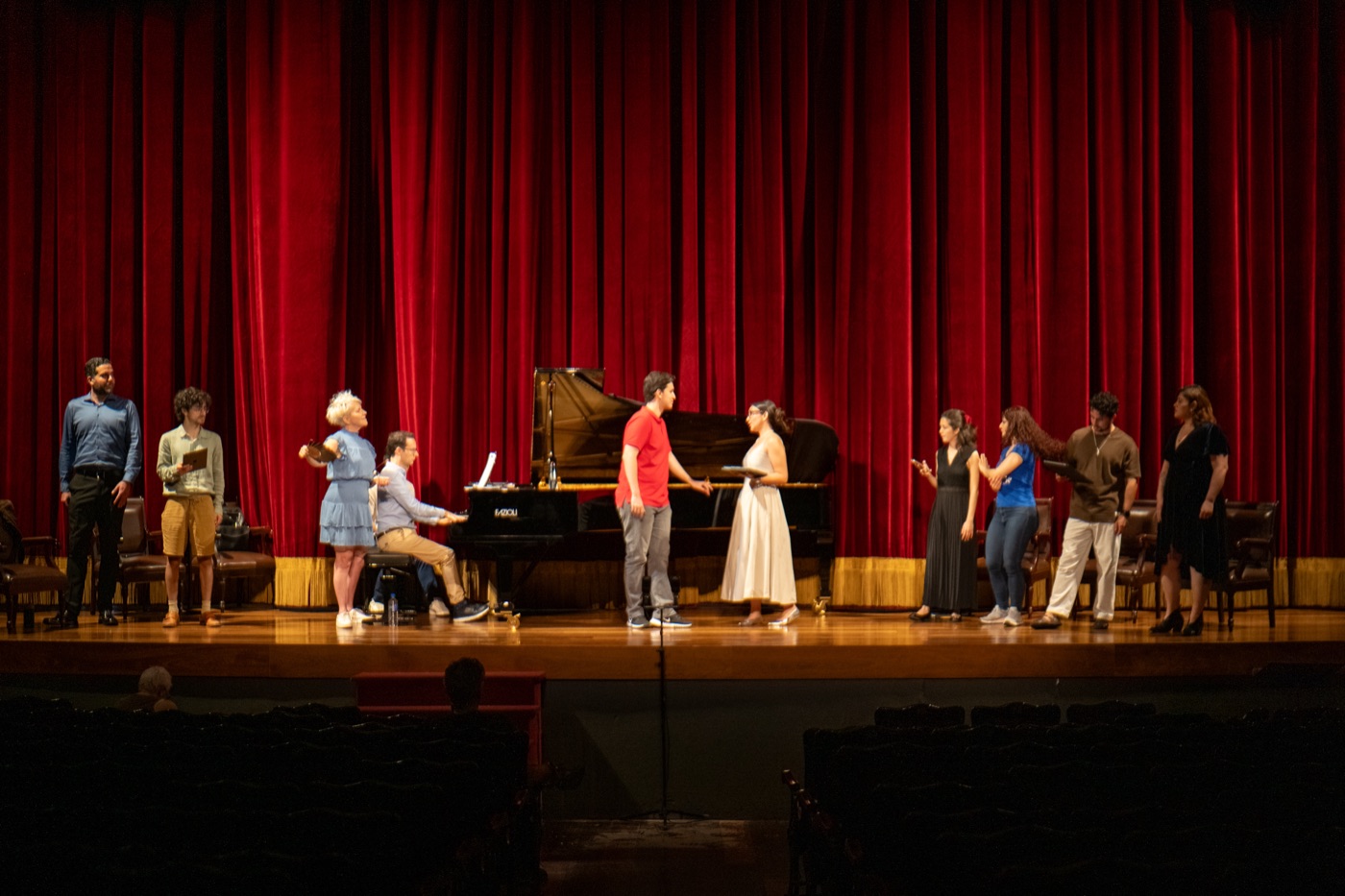
A phone call came in from the National Theatre of Costa Rica. A world-class opera singer was arriving for a masterclass — Joyce DiDonato, one of the defining voices of her generation — and they were asking if I would be open to creating content for her while she was in the country. I said yes before I fully understood what I was saying yes to.
The call
The details came after the yes. I'd be shooting content around her masterclass at the Teatro Nacional, and maybe a few moments beyond that. Fine. I didn't ask for a scope document. I didn't negotiate a deliverables list. I said yes because the invitation itself was already the whole story — an artist I had admired from a distance was going to be in a room I was allowed into, and the rest would figure itself out.
I think this is the part most people miss. A real opportunity almost never arrives with its terms fully defined. It arrives as a half-question, and whoever is on the other side of the line is listening for whether you're the kind of person who treats a half-question as a full one.
Meeting Joyce
I've worked around theater for more than twenty years as an actor before I moved behind the camera. I know the tone of a room where real artists are working — the hush, the focus, the way no one bothers with small talk because the work in the room is already the only conversation worth having. Joyce walked in and the room was like that instantly.
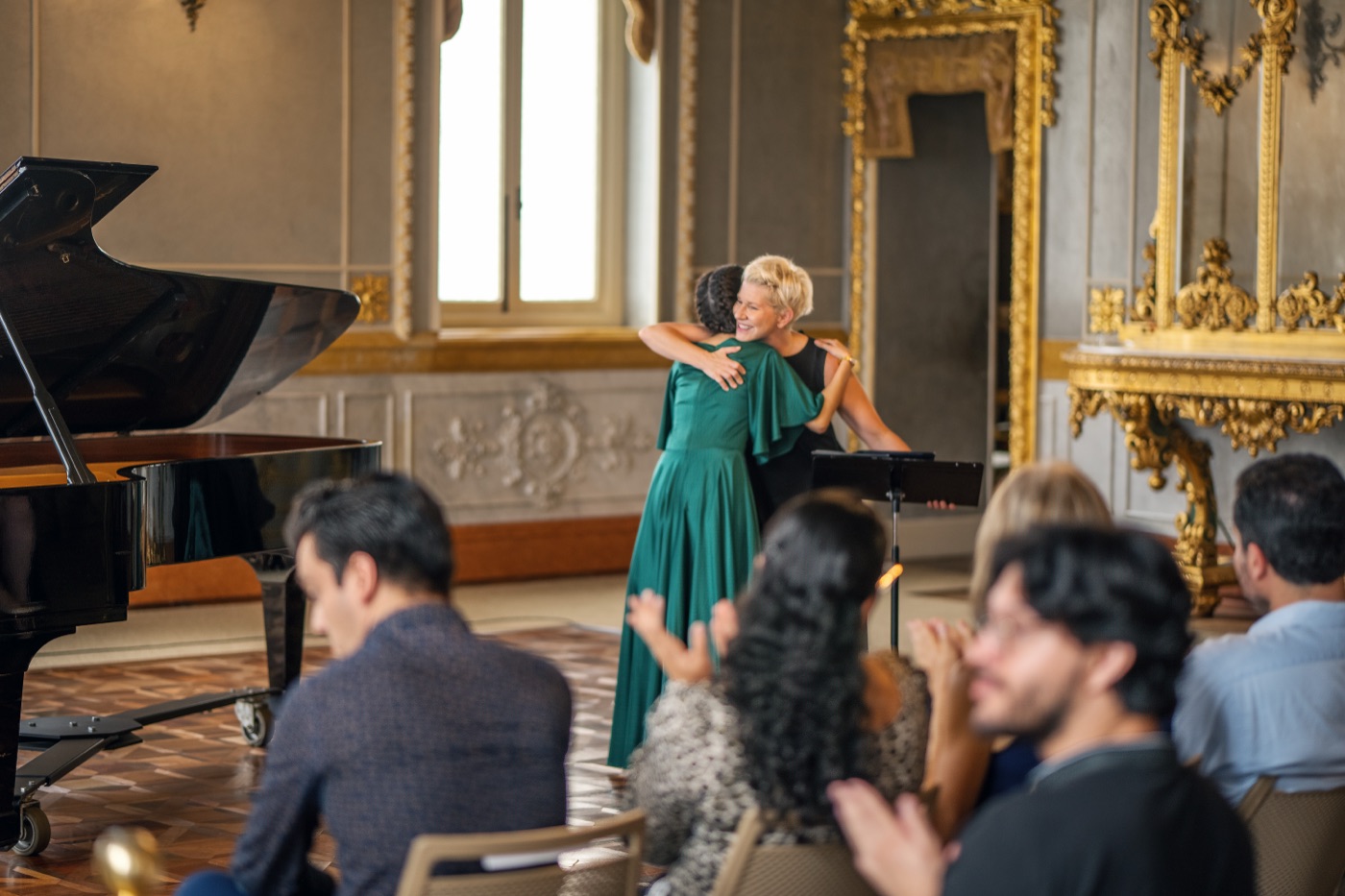
What I didn't expect was how quickly the distance would collapse. We started the shoot as professional strangers. By the end of the first day, we were already laughing about things that had nothing to do with work. By the second day, we were planning the rest of the week together. That shift — from job to friendship — is something I've stopped being surprised by, because I've seen it happen again and again on the sets where both sides of the camera decide to actually be present.
From a masterclass to a road trip
What was supposed to be a contained shoot around the Teatro Nacional expanded almost overnight. Joyce invited me to spend additional days traveling with her through Costa Rica, creating content in places that looked like film sets before anyone set up a camera — Origins Hotel among them, and a few other locations where the light itself felt like it had been booked ahead of time.
Every new place meant new footage, new moments, new ways to show who she is off the stage. I stopped thinking of it as a job on day three. It had become the kind of project I would have dreamed into existence if someone had asked me what I wanted to shoot.
A concert, and a room full of people I didn't expect to be in
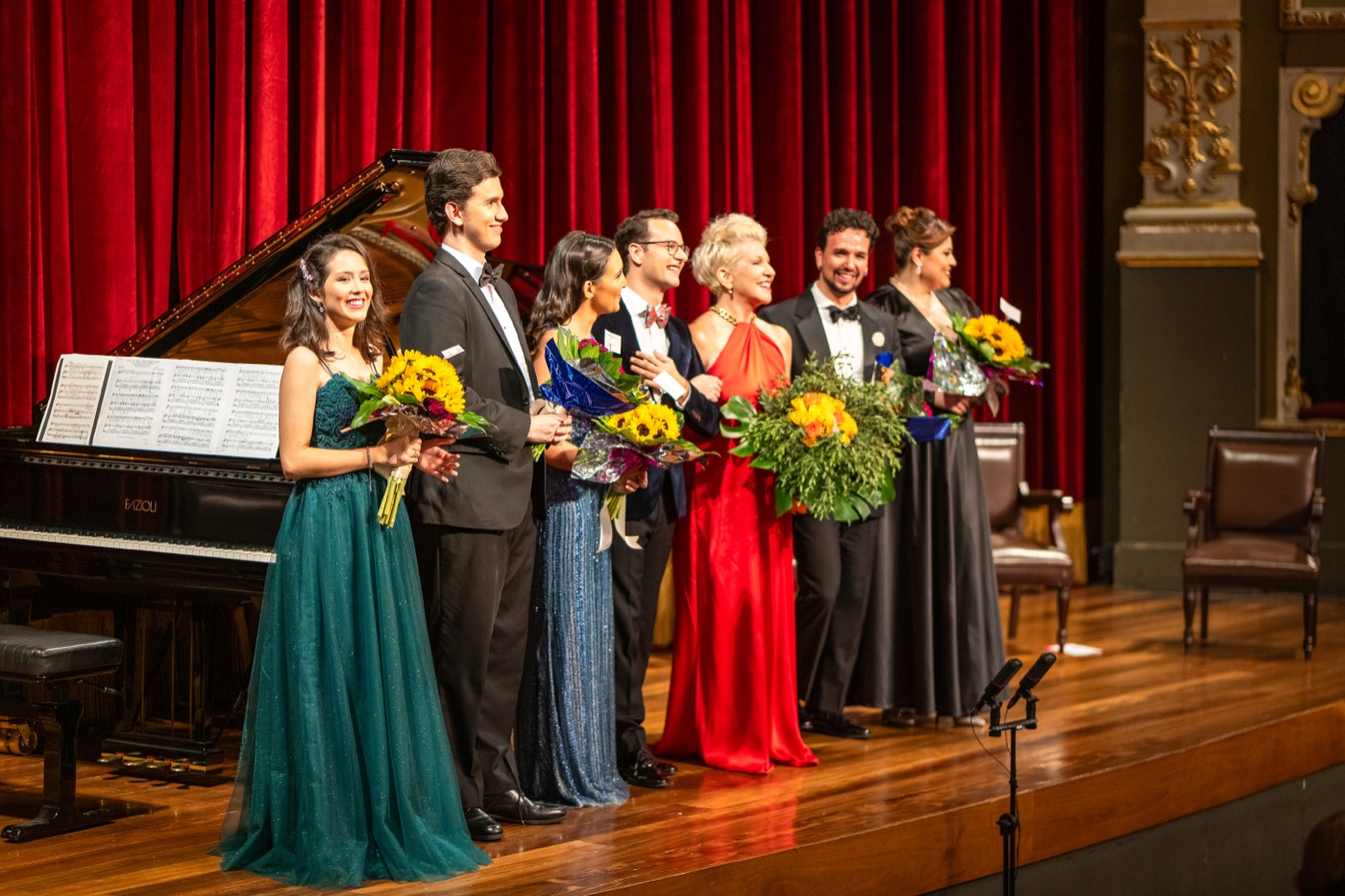
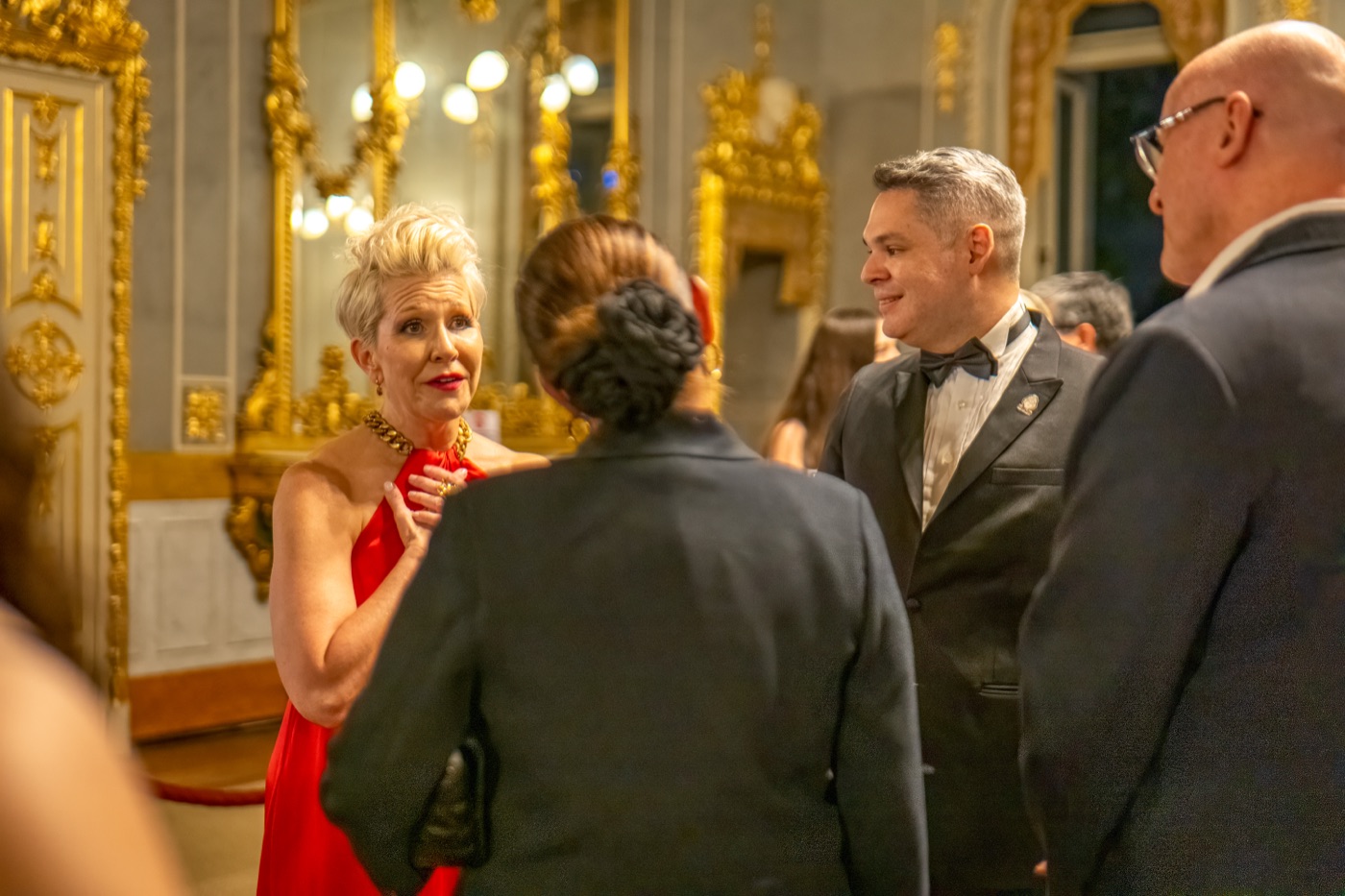
Then came the concert — a featured appearance with one of Costa Rica's most celebrated artists. I was there not as an attendee but with a VIP invitation to shoot the whole thing from inside the production. Afterward, a private reception: ambassadors from around the world, the Minister of Culture, a small number of people who had each shaped something larger than themselves in the country. I was the creative director holding a camera, but I was also just in the room, and that mattered more than the lens in my hand.
I've thought about that night many times since. The room was there because a singer had flown in for a masterclass. I was in the room because I had said yes to a phone call. None of this had been on any plan I was holding two weeks earlier.
The lesson
I'm not a motivational-speaker person. But this trip confirmed something I've been saying on sets for years, and that I want to write down now because someone reading this probably needs to hear it.
If you want big things, you have to be the kind of person big things can land on. That means saying yes before you have the whole picture. It means showing up ready to connect instead of ready to evaluate. It means not asking a hundred clarifying questions before you agree to be present. It means being flexible in the work and generous in the room. People feel that. People remember it. And the next time an invitation is on someone's list, your name is the one that comes up first — because you were the one who made the last project feel easy and alive.
The opposite of this isn't caution. It's self-protection dressed up as professionalism. I've watched it cost good people the opportunities that were closest to them.
What happened after
Joyce and I have stayed in touch. What started as a shoot became a friendship, and there's a real chance we'll collaborate again on something bigger — I'll share it when it's real. For now, I carry this week with me as proof of something I already half-believed: that the best creative lives happen at the intersection of craft and openness, and that craft alone isn't enough.
If you're reading this and you're in front of a half-question right now — an invitation with unclear terms, a call you're not sure what to do with — I'd just encourage you to say yes. Not recklessly. But trustingly. With the part of you that still wants to be surprised by the world.
That's where the real work lives. And, occasionally, a week with someone like Joyce DiDonato.
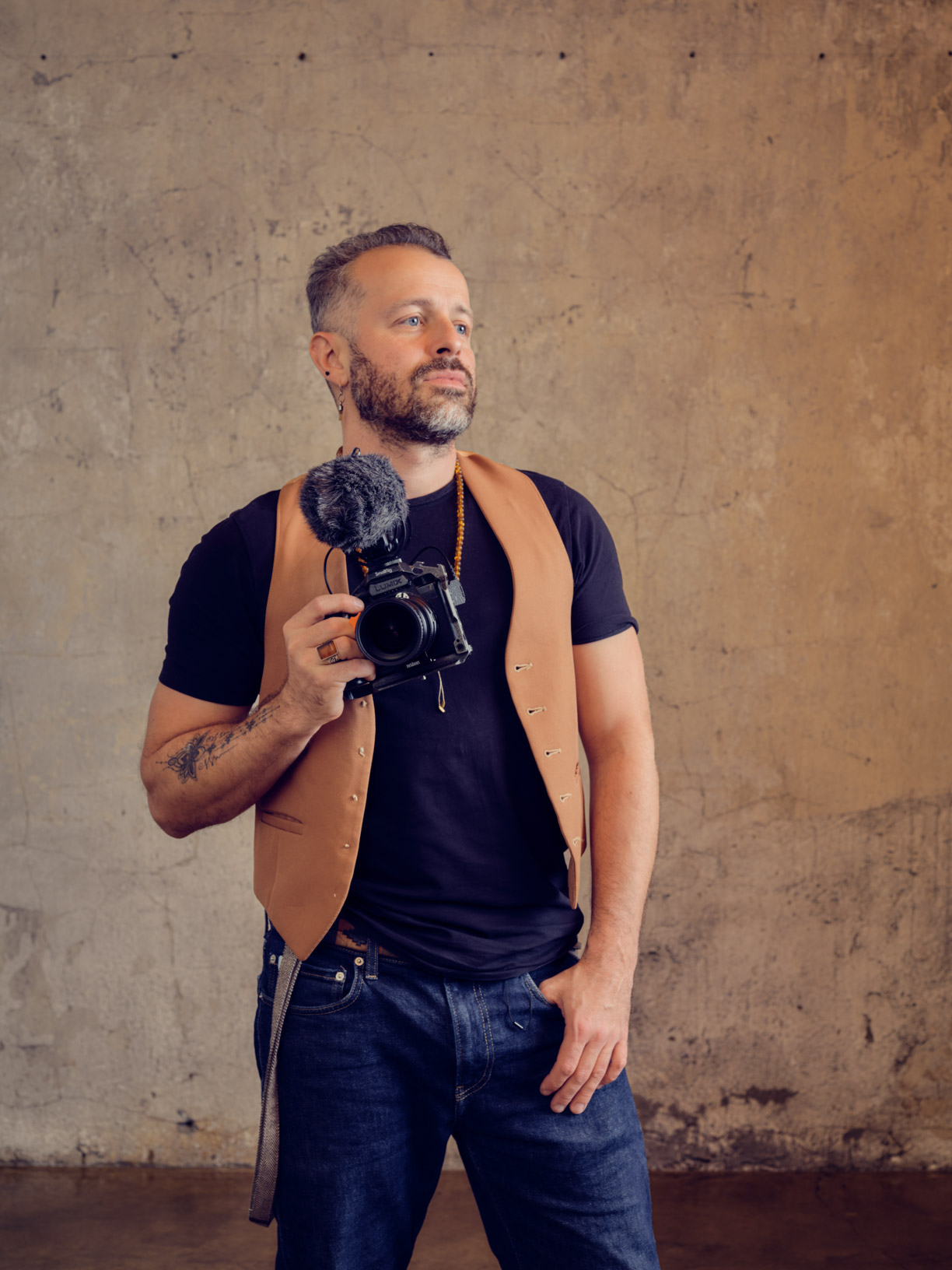
Krzysztof Piatkowski
Creative Director — Luxuriance Studio